기본 콘텐츠로 건너뛰기

Diets and Stable Isotope Analysis in Joseon History


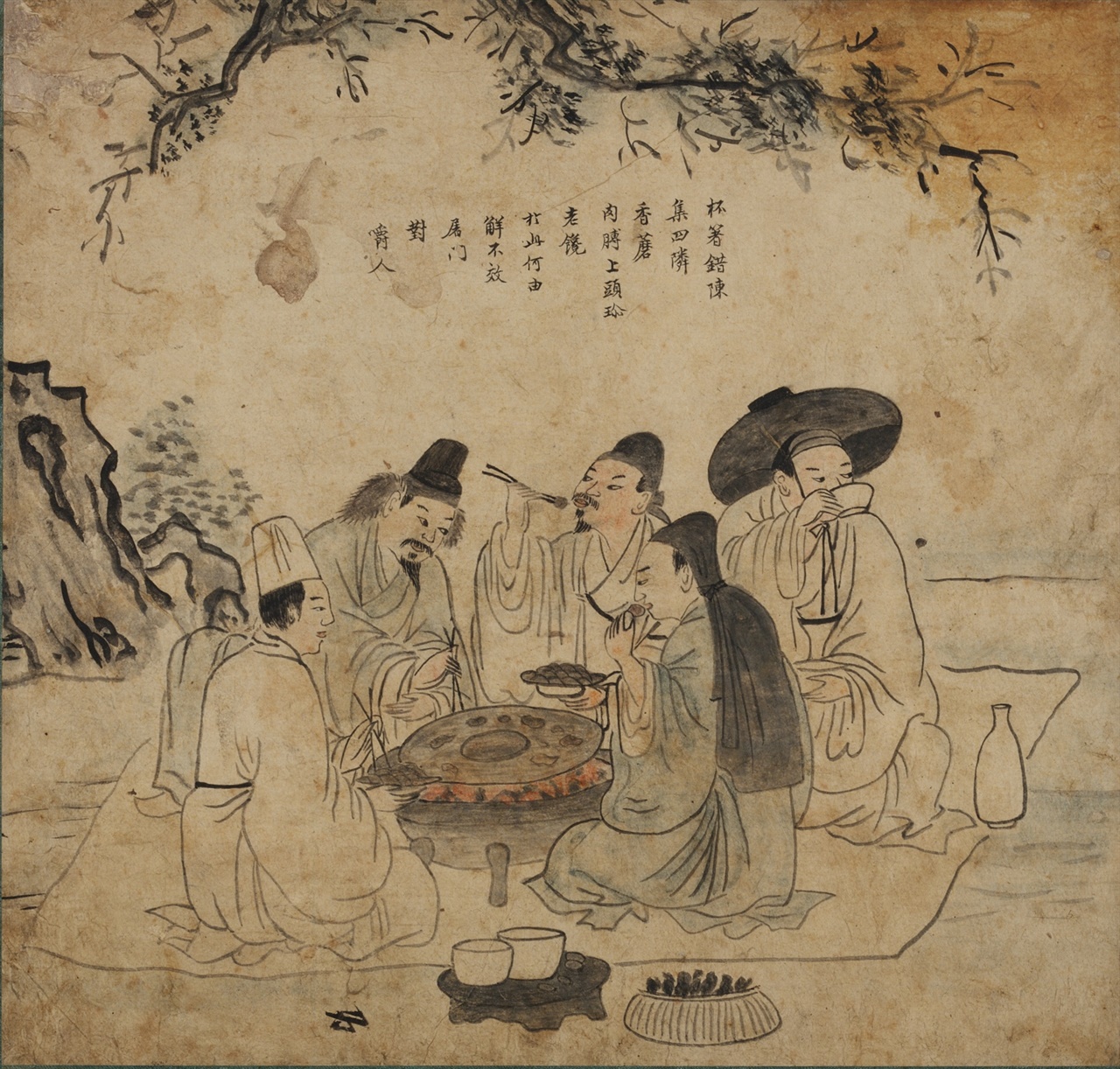
For many decades, stable isotope analysis has provided highly reproducible and dependable data, earning a reputation as one of the most reliable methods in archaeological science. Yet its principal limitation lies in the broad interpretive scope of the data it generates, which often lack fine resolution. For populations such as Indigenous peoples of the Americas, whose historical records are limited, interpretation frequently cannot proceed much beyond the isotopic signatures preserved in skeletal or mummified remains. The situation is different in countries such as Korea, where abundant historical documentation survives. Here, stable isotope data can be contextualized through detailed historical records, allowing researchers to move beyond general dietary patterns and investigate the specific foods and practices that produced them. By identifying food ingredients recorded in historical sources and integrating them with isotopic evidence, dietary reconstructions can be placed within a much richer historical framework. Such an approach has the potential to provide a more robust basis for interpreting stable isotope data and to improve our understanding of dietary practices in Korea's past.

글

표시할 글이 없습니다.

Journal and Book Chapter Publications

  • Article 2014: Stable isotope analysis of Joseon people skeletons from the cemeteries of Old Seoul City, the capital of Joseon Dynasty
  • Article 2017: Historical Details about the Meat Consumption and Taeniases in Joseon Period of Korea
  • Article 2022: 朝鮮時代の日記史料から推定したニワトリの消費様相 (動物考古学)
  • Article 2023: Cross-Analysis of carbon and nitrogen stable isotopes in hairs retrieved from crania of Korean Joseon Dynasty Mummies and Russian Settlers in Siberia (Journal of Archaeological Science: Reports)
  • Article 2025: 조선시대 일기 쇄미록에 기록된 16세기 말 우리나라 서해안 지역 음식물 소비 양상에 대한 생물인류학적 검토
  • Article 2026: 안정성동위원소 분석에 기반한 조선 후기 한성부 시장 식재료 기록의 검토 (해부생물인류학)
Powered by Blogger